
The far-left combines operational anonymity with international coordination.
Antifa terrorists conceal their identities, encrypt their communications, and decentralize their operations, yet at the same time maintain coordinated international networks for fundraising and propaganda distribution. Several of these networks have established strong footholds in Europe, including in Germany and Sweden, while continuing to rely on American banking infrastructure and social media companies to sustain their activities.
This dual reality—local anonymity combined with global coordination—should not be underestimated in its potency.
If the Trump administration is seeking an effective way to dismantle the domestic Antifa milieu while simultaneously disrupting its international support network, one of the most powerful tools may already exist: targeted financial sanctions against key individuals.
At first glance, such a measure may appear drastic. Yet if European governments continue to tolerate Antifa, and in many cases provide public funding to the far-left militants who persecute patriots, U.S. sanctions may represent one of the few remaining instruments capable of safeguarding free speech.
What is Antifa?
Antifa is a decentralized far-left militant movement with groups operating across much of the Western world. Unlike Islamist terrorist organizations, it has no single transnational leader—no al-Baghdadi-type figure. Instead, local groups emerge in cities or regions and operate independently while coordinating their efforts with national and foreign cells. Another difference is that Antifa groups in Europe are allowed to hold bank accounts and receive public funding.
These groups typically focus on what they describe as “direct action” against perceived political opponents. In practice, this has included harassment campaigns, vandalism, intimidation, and physical assaults targeting individuals and organizations.
Swedish funding to US-designated terrorists
Recent waves of far-left political violence have further demonstrated that the movement relies on durable support structures rather than spontaneous mobilization. Having investigated Antifa in Sweden for years, I can trace some of the Swedish nodes in a network that extends from Scandinavia to Germany and across the Atlantic.
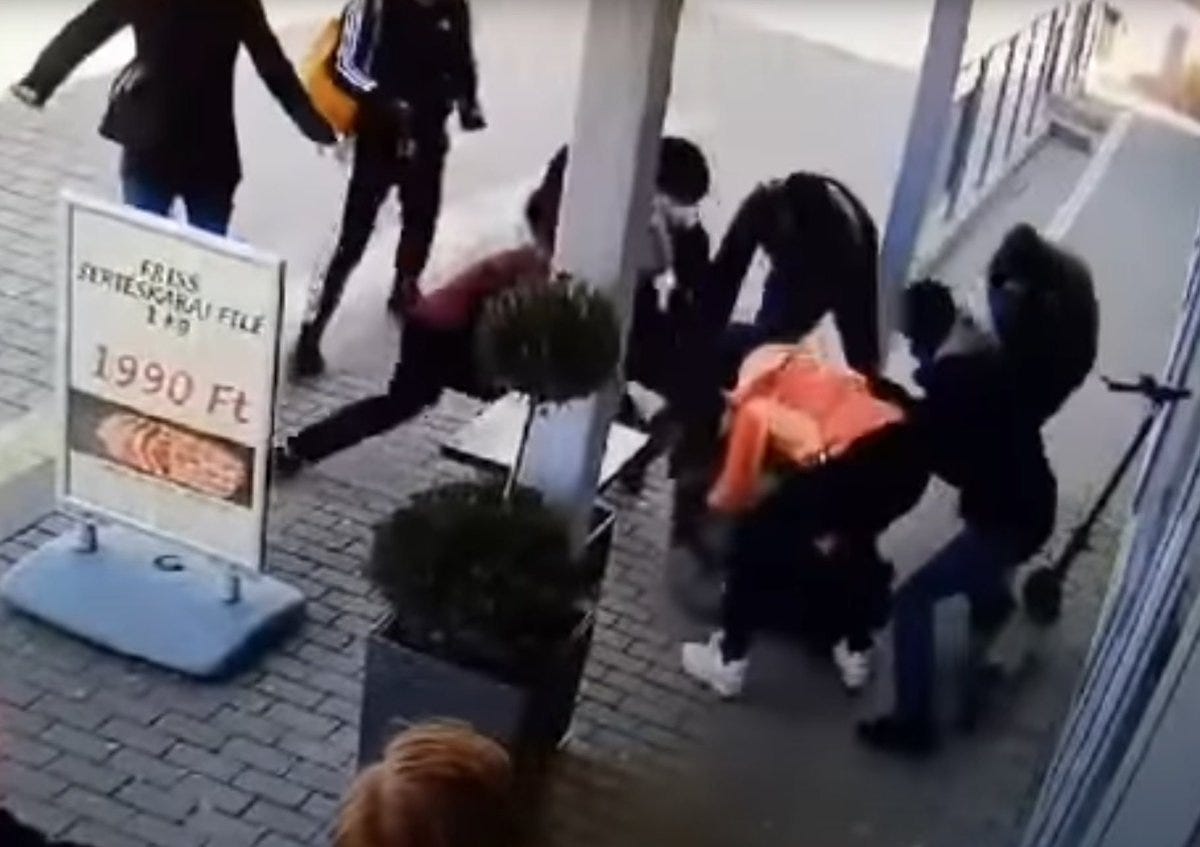
For instance, Antifa’s global funding campaign responded rapidly to the prosecution of members of Germany’s Antifa Ost, often referred to as the “Hammerbande”—a group whose members have been convicted of a series of exceptionally violent attacks, including home-invasion assaults carried out with hammers. As of this year, the group has been designated a Foreign Terrorist Organization by U.S. Secretary of State Marco Rubio.
After convictions were handed down, international campaigns emerged across multiple countries demanding the release of those convicted. Fundraising initiatives were launched to cover legal expenses, living costs, and public advocacy efforts. When Antifa Ost member and transgender activist Simeon Ravi Trux was convicted for his role in a gang assault, the Swedish Antifa cell Antifascist Action (AFA) expressed its support on its X account as well as its webpage and linked to the campaign site where supporters were encouraged to send money and write letters of support to the militant.
“Your case has become a rallying point—not for resignation, but for resistance. For unity across borders, for international solidarity, and for the belief that an attack on one is an attack on all.” - antifa.se
This fundraising was facilitated through widely used American financial platforms such as GoFundMe, Stripe, and Patreon, as well as through traditional bank transfers using the IBAN and BIC systems. Although these mechanisms operate across national borders, they ultimately function within a global financial system that is heavily dependent on the U.S. dollar and therefore falls within the reach of financial sanctions administered by the U.S. Department of the Treasury.
Anarchist Black Cross: a global funding network built over decades
Such campaigns did not arise spontaneously. They relied on long-standing infrastructure built over generations.
One of the most prominent examples is the Anarchist Black Cross, or ABC, originally founded during the Russian communist revolution as the Anarchist Red Cross. Its original purpose was to provide financial support to imprisoned anarchist revolutionaries. Over the course of the 20th century, the movement expanded geographically and institutionally, establishing branches across Western Europe and North America. In Sweden, it is even registered as a tax-exempt non-profit and operates from a publicly owned and publicly funded cultural center in central Gothenburg. More on that later.
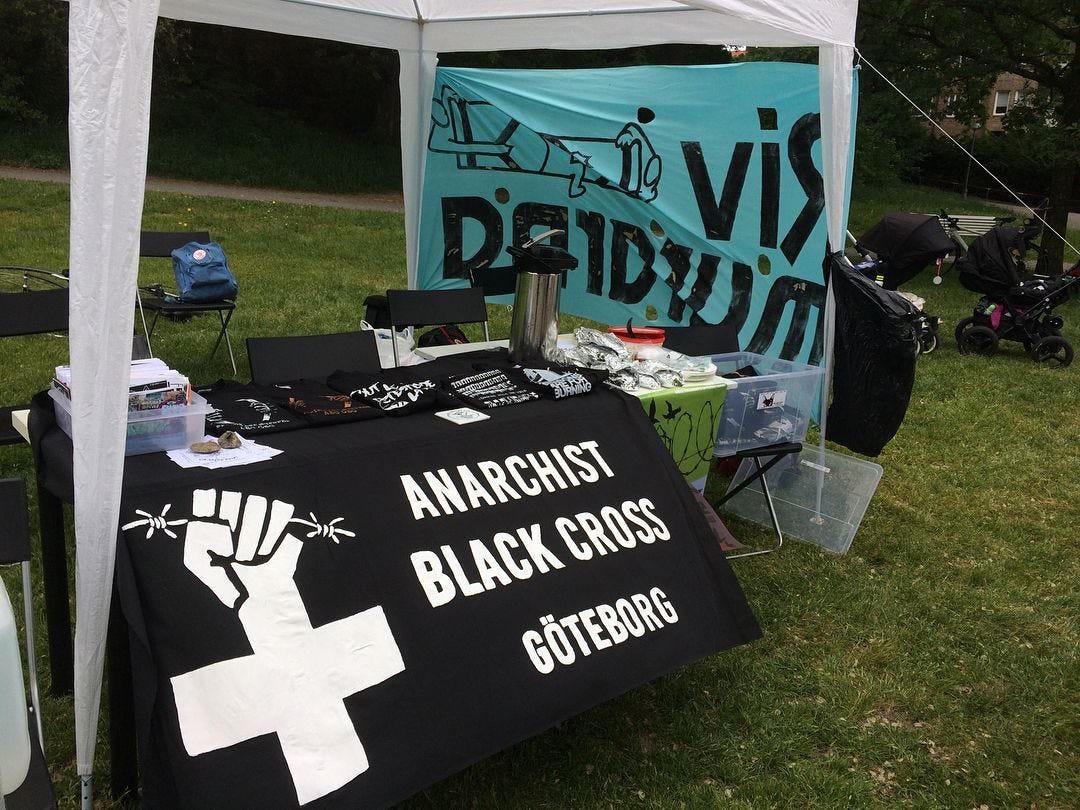
The local ABC websites link to the centralized platform solidarity.international which maintains a list of imprisoned militants from multiple countries. The platform encourages supporters to write letters to prisoners, provide financial support, and raise funds for individuals convicted of a wide range of offenses, including violent crimes.
This illustrates how contemporary far-left militant networks are no longer confined to their own often small and locally marginalized activist circles. Instead, they can draw on a broad transnational support infrastructure capable of mobilizing financial resources, public campaigns, and practical assistance across national borders.
The existence of such a support network may reduce the perceived personal costs associated with engaging in political violence. When activists know that imprisonment will be met with support from the outside, they may perceive the risks of arrest and conviction as less severe than they otherwise would. In this way, these funding and support structures can contribute to lowering the practical and psychological barriers to participation in far-left terrorism.
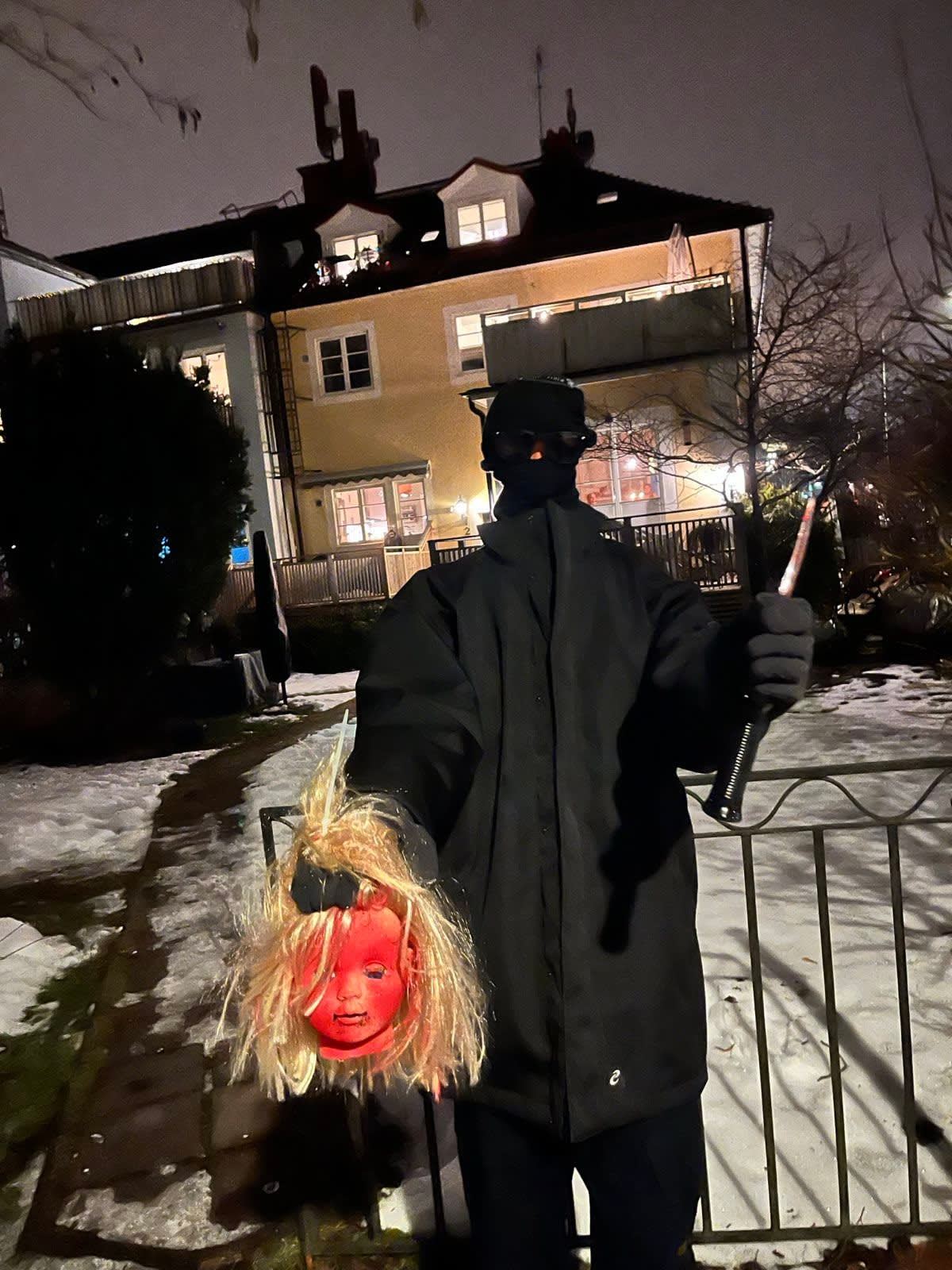
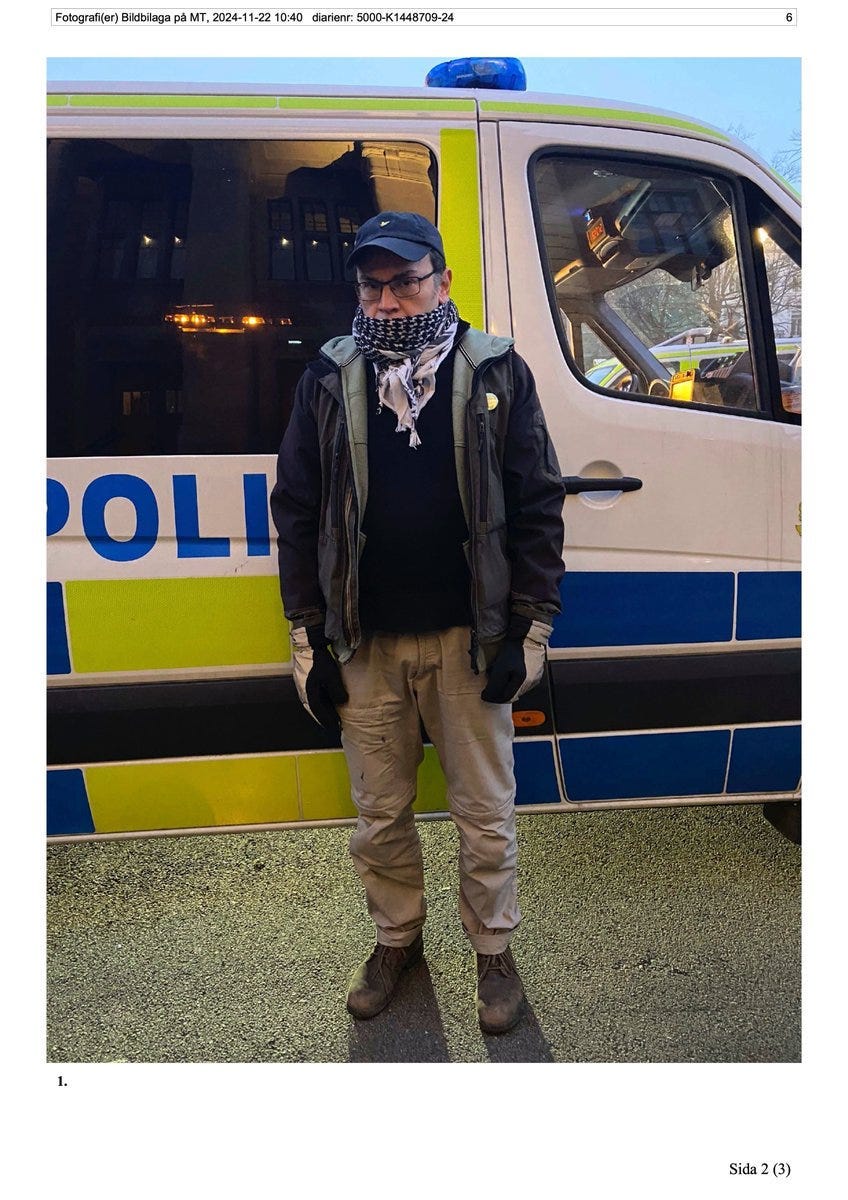
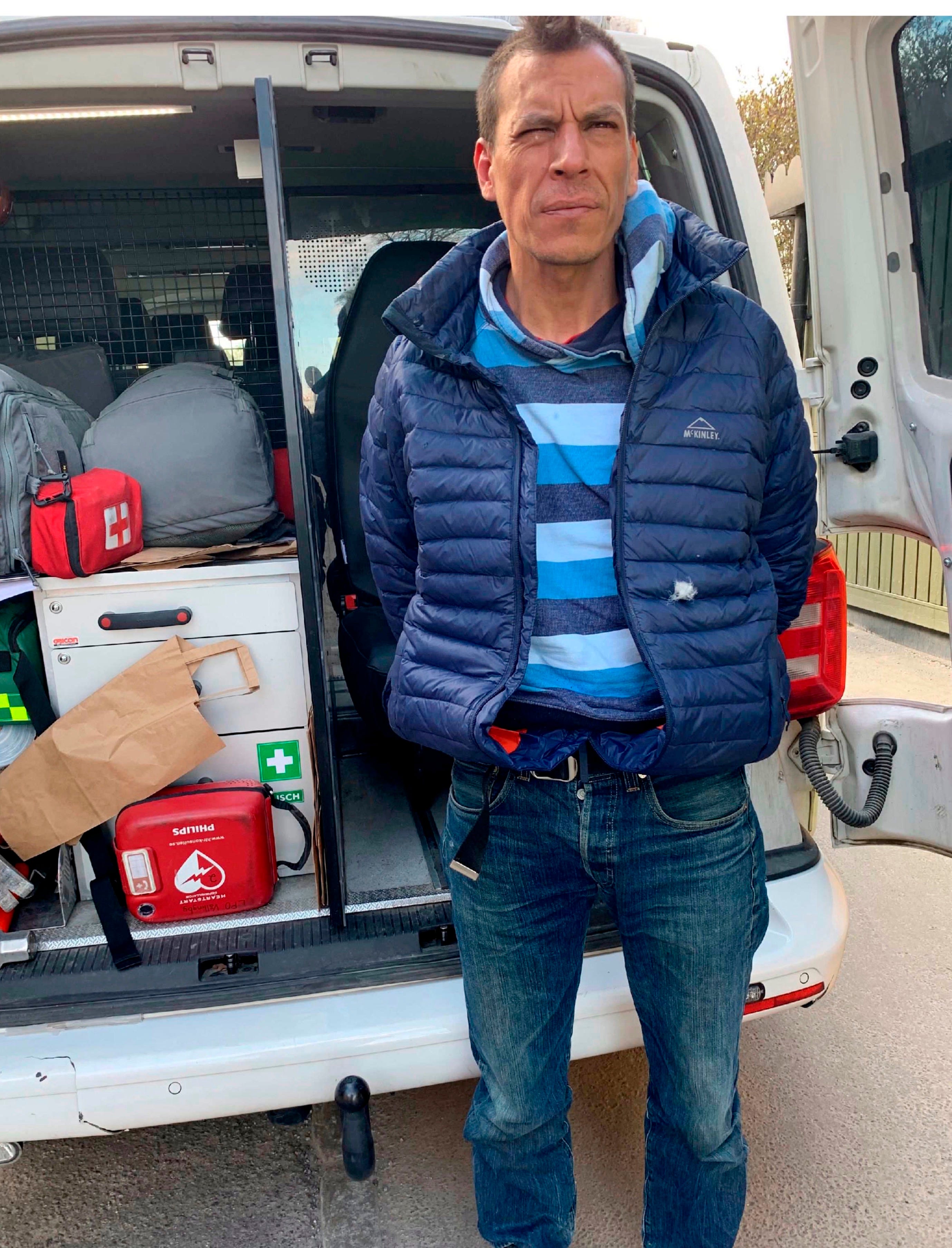
A recent example is the case of Swedish far-left militant Andreas Klominek (born 1983). Already in 2014, a Swedish police investigation found that Klominek had been in contact with the perpetrator both before and after a high-profile attempted murder carried out by Antifa activists. In 2023, Swedish mainstream media largely withheld his identity after he, acting on behalf of the pro-PKK organization Rojavakommittéerna, hung an effigy of Turkish President Recep Tayyip Erdoğan outside Stockholm City Hall. The incident attracted international attention, drew criticism from Turkey, and contributed to diplomatic tensions during Sweden’s NATO accession process.
Earlier this year, Klominek appeared outside the home of Swedish Minister for Foreign Trade and International Development Cooperation Benjamin Dousa, threatening him with a knife and a blood-covered doll. He was subsequently detained by the Swedish Security Service and later convicted of unlawful threats. Following his conviction, Klominek stated in a far-left podcast that support from Antifa had been crucial in allowing him to continue his activism despite repeated encounters with the criminal justice system. His remarks illustrate how organized solidarity networks reinforce activists’ willingness to commit political crimes by reducing some of the practical consequences.
“It wasn’t that bad. It’s all about knowing that there’s support waiting for you on the outside. I don’t have to worry about paying rent. I don’t have to worry. I do my part, and then others do the rest. That’s the key.
For the last three weeks, I shared a cell with some random criminal. His apartment was gone, his family hated him. That’s what the whole issue of criminal justice policy comes down to.”
— Andreas Klominek, speaking on the Antifa podcast Komintern (March 29, 2026) with middle school teacher Axel Rosengren (born 1989), which is distributed through major U.S.-based platforms, including Apple Podcasts, Instagram and X.
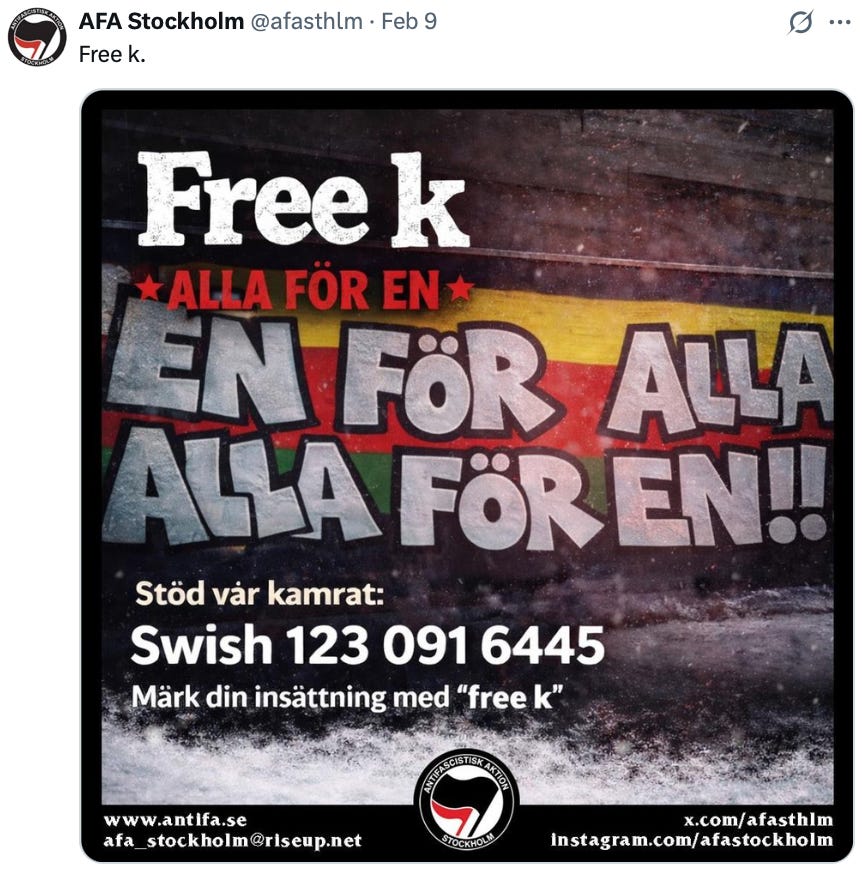
In practice, fundraising for Klominek’s legal defense was conducted through one of Sweden’s four major banks that provide banking services to non-profit organizations. The donations were collected through Antifa’s own registered tax-exempt non-profit, “Prisoner association” (Fånggruppen 802492-2331).
After being released from police custody, Klominek was fired from his job and evicted from his rental apartment. With newfound street credibility and nothing left to lose, he escalated his political violence. During Antifa’s May Day demonstration, he and his masked son assaulted a conservative commentator who was covering the event. Prosecutions for harassment and assault have now been made.


European funds spilling over to American terrorists
The money raised by the Anarchist Black Cross in Sweden and elsewhere in Europe does not remain solely on this side of the Atlantic. Numerous fundraising campaigns have been established to support convicted far-left militants in the United States.
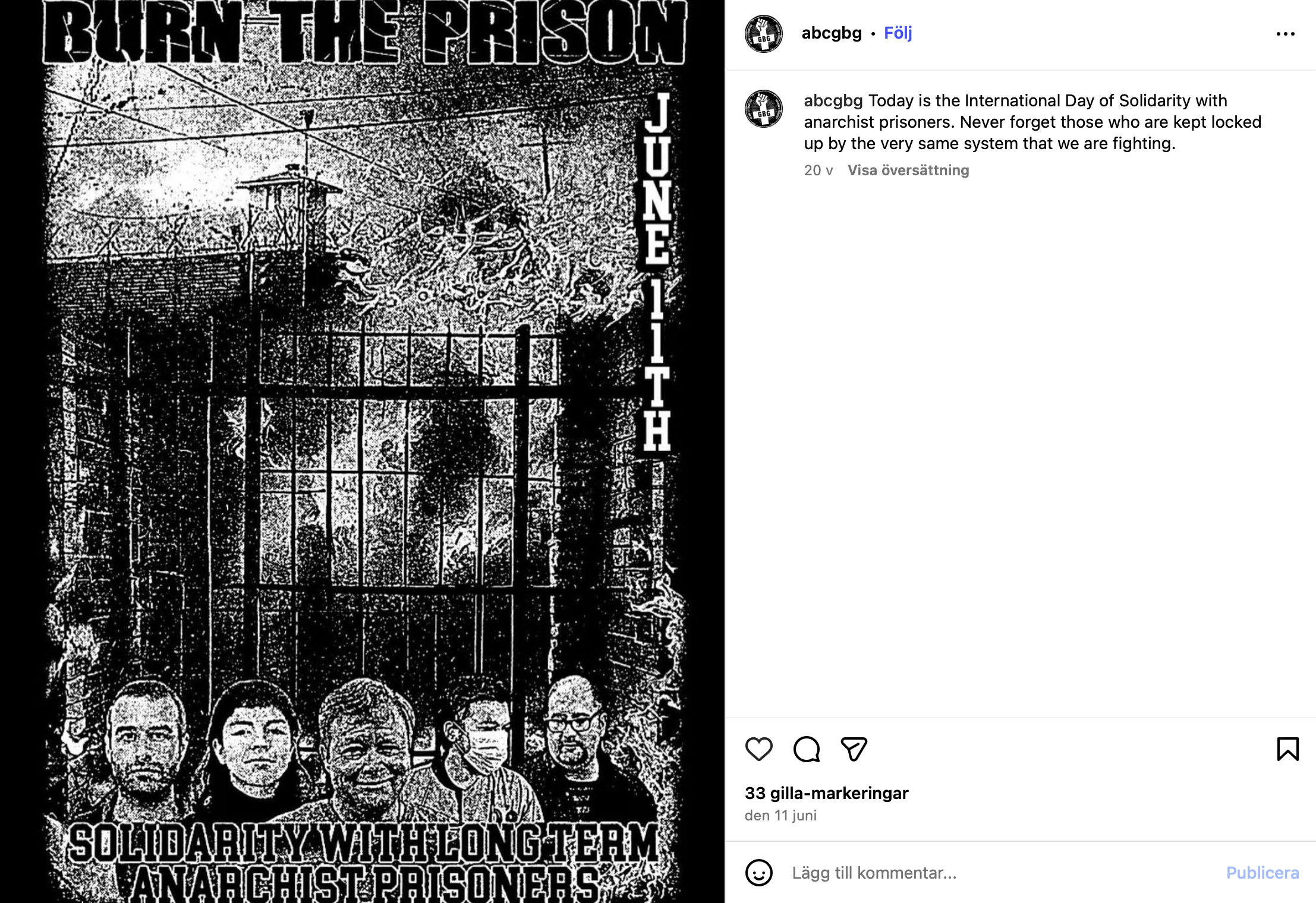
Brian “Peppy” DiPippa, sentenced to five years in prison after throwing an explosive firework device at police during unrest at the University of Pittsburgh in 2023, where activists sought to disrupt a conservative panel event.
Bill Dunne, serving a 90-year sentence for an armed bank robbery in Seattle in 1979 carried out to finance revolutionary activities and to facilitate the escape of another militant. Additional years were added to his sentence following an armed escape attempt.
Jessica Reznicek, sentenced to eight years in prison and ordered to pay approximately $40 million in restitution for acts of sabotage targeting the Dakota Access Pipeline, including arson and mechanical destruction.
Marius Mason, convicted and sentenced to 22 years in prison for multiple arson attacks directed at corporations, research institutions, and university facilities, widely characterized as an ideologically motivated eco-extremist.
Casey Brezik, convicted after attempting to murder a university dean by cutting his throat during a public meeting. The perpetrator was initially committed to psychiatric care before trial proceedings.
Malik Muhammad, sentenced to ten years in prison following the manufacture and deployment of incendiary devices against police during unrest in Portland in 2020.
Byron Chubbuck, serving a life sentence after committing multiple armed robberies intended to support foreign insurgent movements, and for opening fire on federal agents during his arrest.
Swedish taxpayers’ funds Antifa
Europe provides particularly fertile ground for sustaining these networks, often through publicly funded or municipally supported institutions. The far left in Europe does not necessarily require the support of private Soros-style philanthropists, as decades of socialist governance have already created mechanisms through which public funds can be channeled to sustain its violent activist base.
In Sweden, Antifa-affiliated groups have historically benefited from financial support distributed through local government structures, particularly in the form of grants and sponsorships for tax-exempt non-profits, so-called “cultural associations”. Almost every major Swedish city has a permanent far-left presence centered around such venues. These spaces serve not only as community centers but also as logistical hubs for organizing demonstrations, coordinating campaigns, facilitating fundraising and planning of violent attacks.
Jönköping
The Swedish university and industrial city of Jönköping provides a revealing example of how Antifa-linked networks have gained access to taxpayer-funded resources. For decades, a far-left so-called “book café” has received municipal subsidies and has even been allocated its own dedicated space within the city’s publicly funded cultural center.
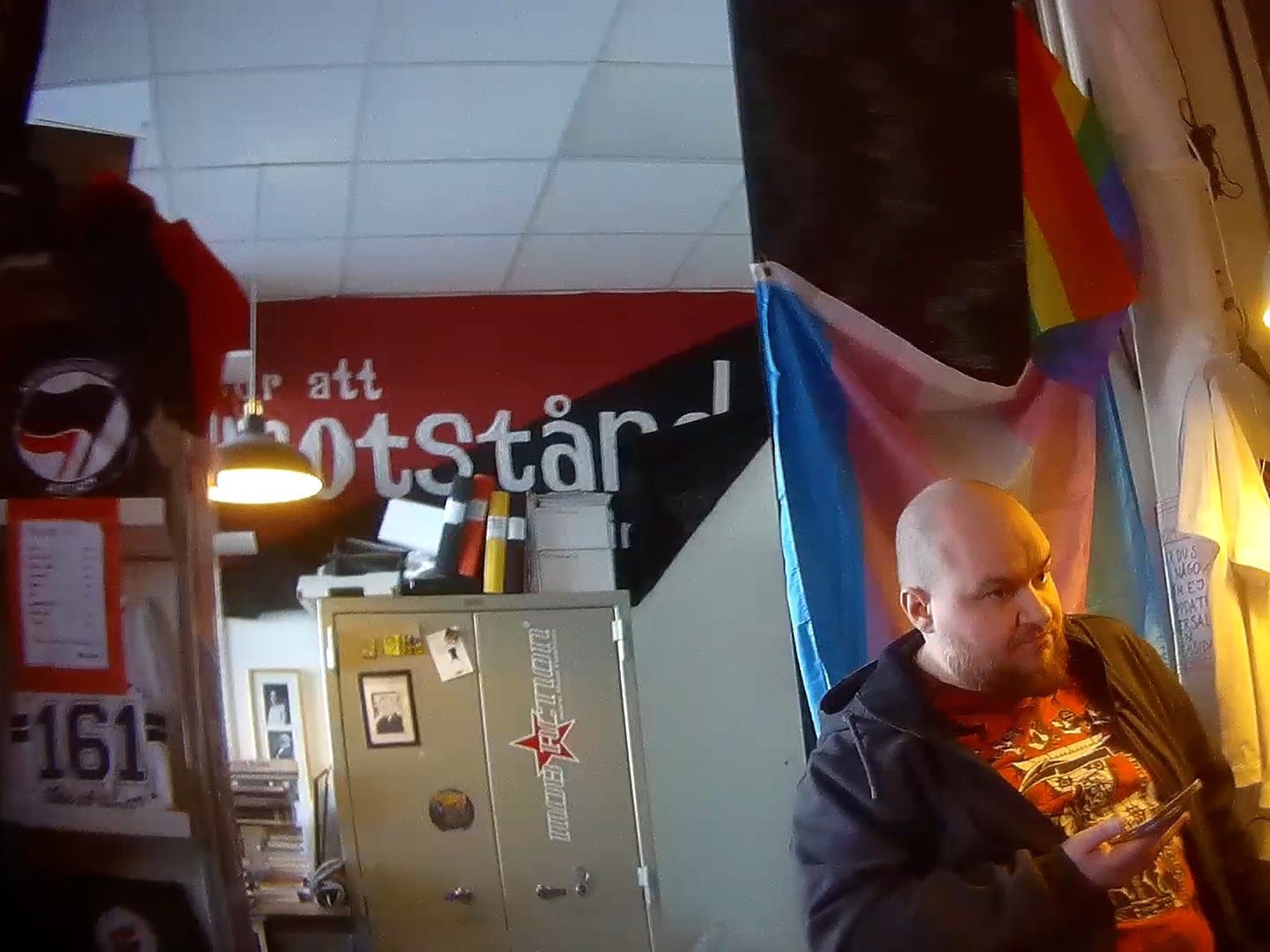
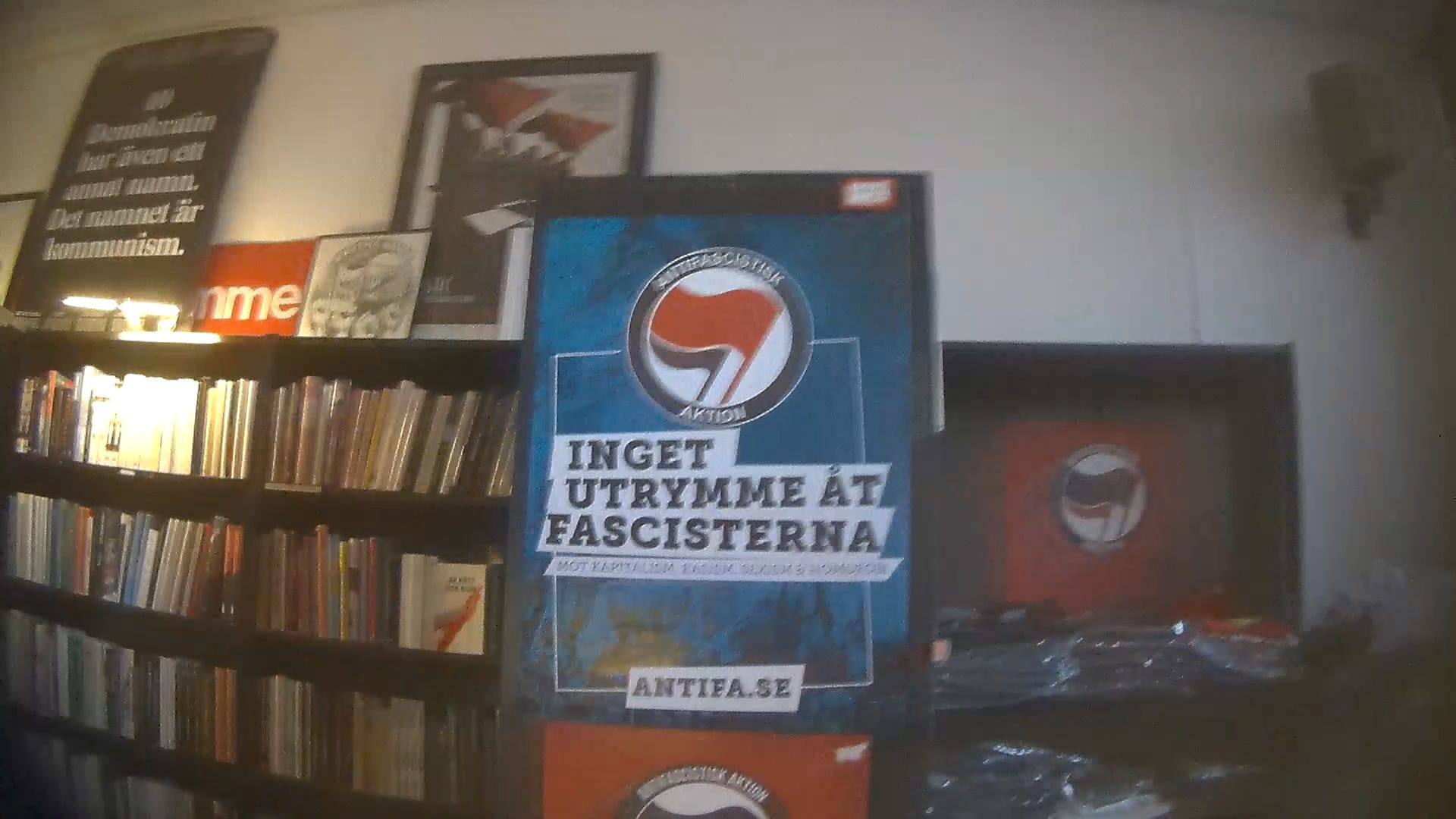
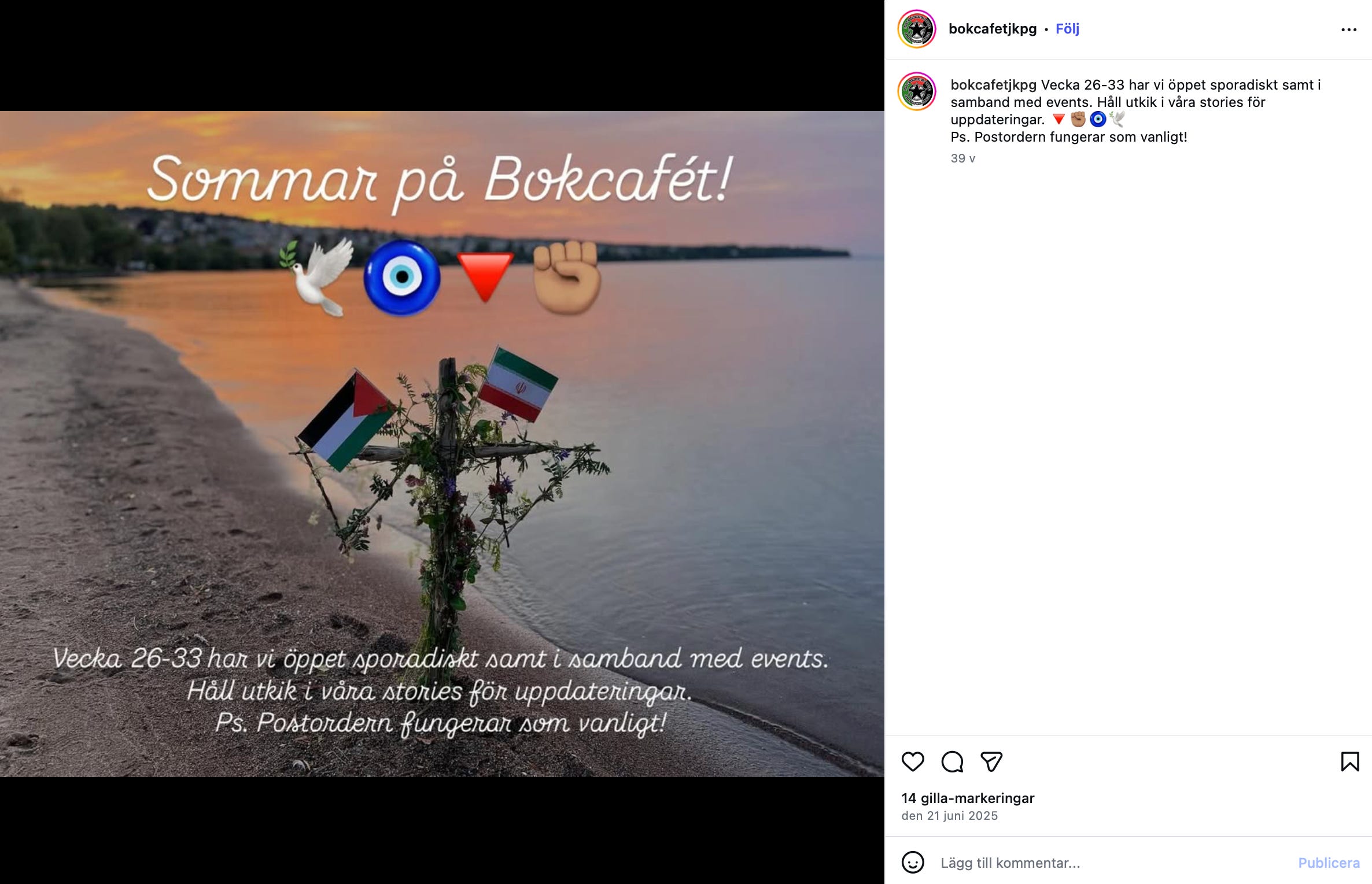
Despite public support of the local Antifa cell, distributing illegal weapons and Antifa handbooks on how to commit crimes without being caught, praising violent revolution, expressing support for the Islamist Theocratic Iranian regime, and sharing Hamas combat footage as propaganda on its Instagram account, no meaningful action has been taken. On top of that, ABC has hosted fundraising events and letter-writing evenings for imprisoned far-left activists at the venue.

Gothenburg
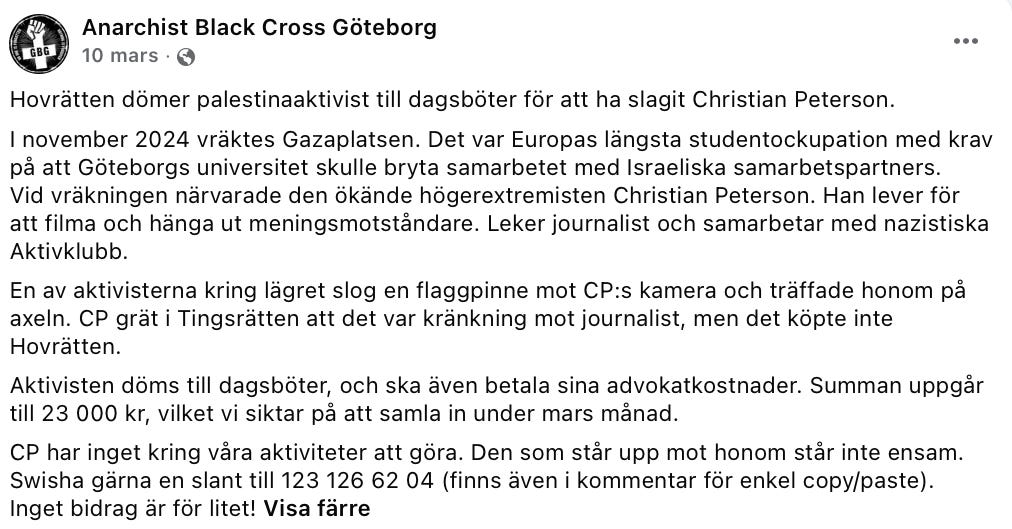
Another telling example is Gothenburg, Sweden’s second-largest city and a major port on the country’s west coast. The Anarchist Black Cross’s most active branch in Sweden has its non-profit organization (ABC Gbg 802458-7639) registered at the city’s leftist cultural center in the historic Victoriahuset building.
From there, IT professional Andreas Lindh (born 1977) has held seminars on digital security for far-left activists, covering topics such as secure communication and device encryption to protect data if devices are seized by police. The organization has also hosted fundraising events to cover legal expenses and fines for convicted far-left militants from Sweden and abroad.
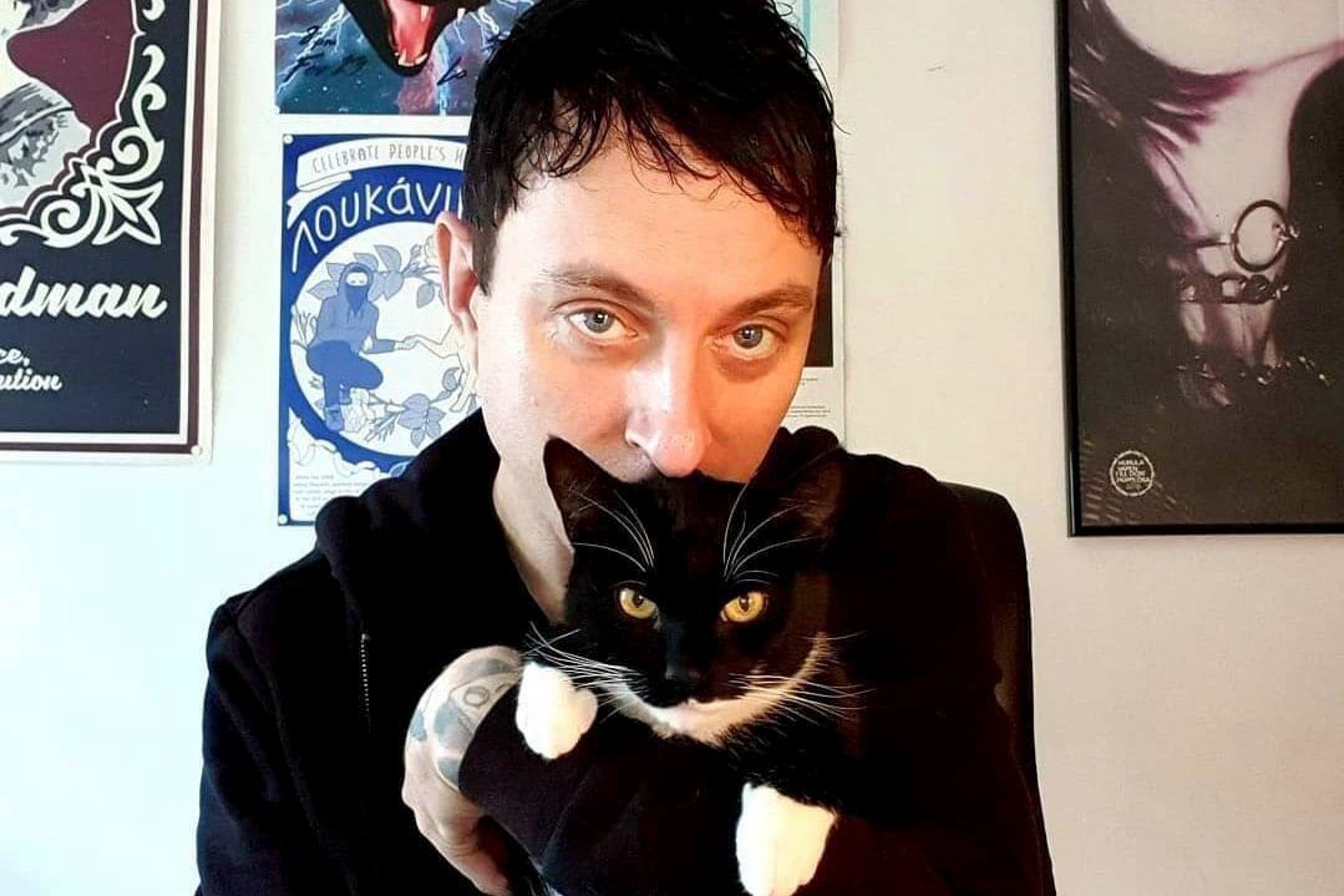
The building is owned by the municipality, whose lease agreement with Victoriahuset’s director, Golaleh Farhang Azad (born 1981), contains clauses prohibiting cooperation with violent extremism. Despite both ABC and Antifa being identified as parts of the violent far-left milieu by Sweden’s National Council for Crime Prevention (Brå), the ruling socialist coalition in Gothenburg has refused to terminate their tenancy. Even the city’s own coordinator against violent extremism, Zan Jankovski, has described ABC as an undemocratic organization because it promoted politically motivated crime.
Uppsala
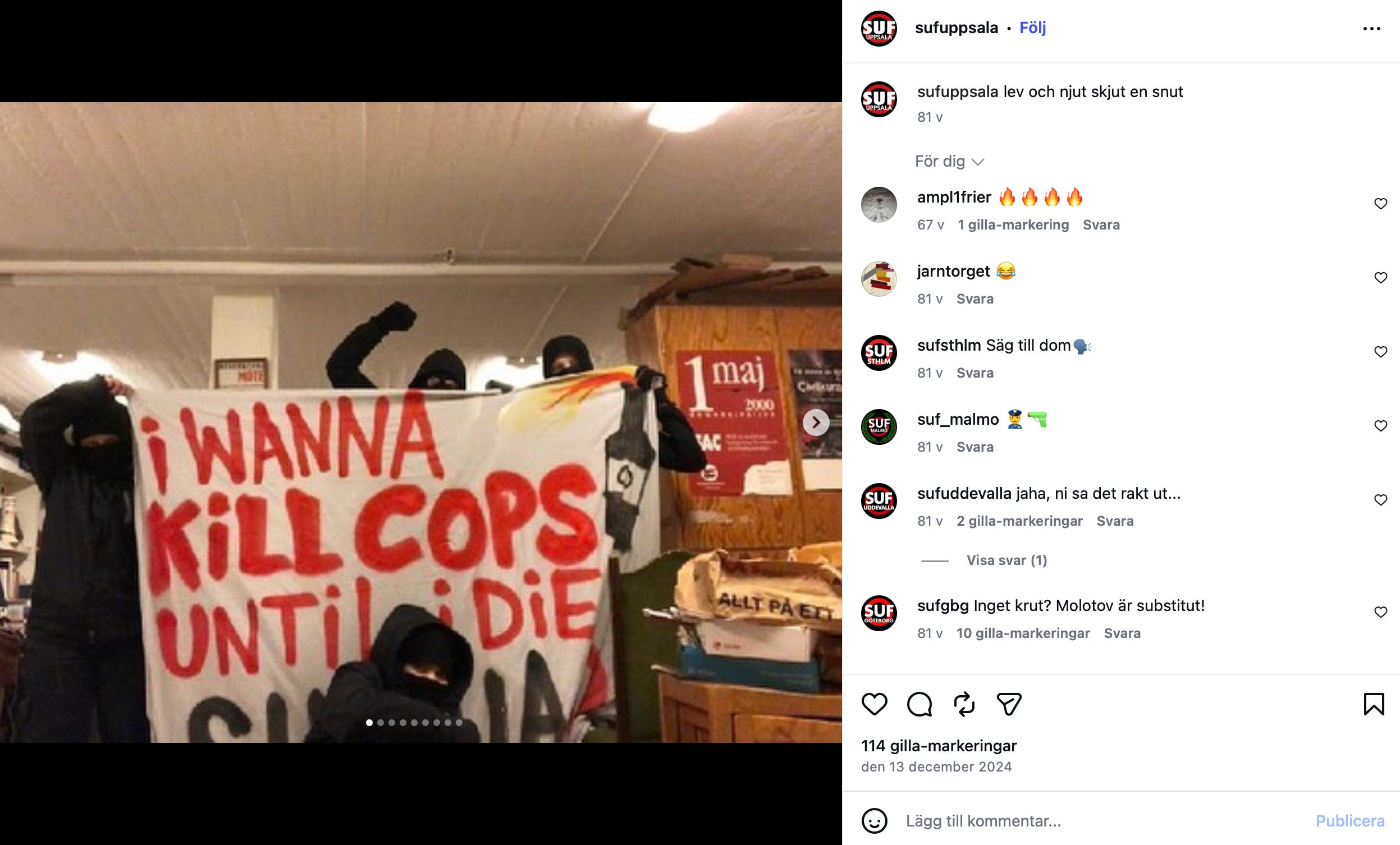
In the student city of Uppsala, the conservative Sweden Democrats have long called for the publicly funded far-left youth center, House of Youth (Ungdomens hus), to be defunded. Antifa-linked material and activists have reportedly been present there, including groups such as SUF Uppsala, which promotes the killing of police officers.
Maria Rosander, a leading SD politician in Uppsala and a police officer herself, has written extensively about the issue, criticizing the socialist coalition for funding the radicalization of young people. Despite her efforts, the ruling socialist coalition has consistently dismissed her criticism as far-right disinformation. The prevailing attitude was perhaps best captured by a leftist columnist at the local newspaper, who bluntly declared: “Let the kids be left-wing.”
Countless other examples
There are many more examples from across Sweden where public funds either directly or indirectly subsidize the far left.
I recently reported that the Swedish Sports Confederation (RF) —a taxpayer-funded umbrella organization that provides funding and regulatory oversight for sports associations—, subsidizes an Antifa-affiliated fight club in Malmö, an issue that was later raised by the Sweden Democrats in Parliament in a formal question to the Minister for Social Affairs and Public Health.
In Stockholm, the municipality allocates hundreds of thousands of dollars to a kindergarten operating in the Kafé 44 building, where Antifa organizes and holds events.
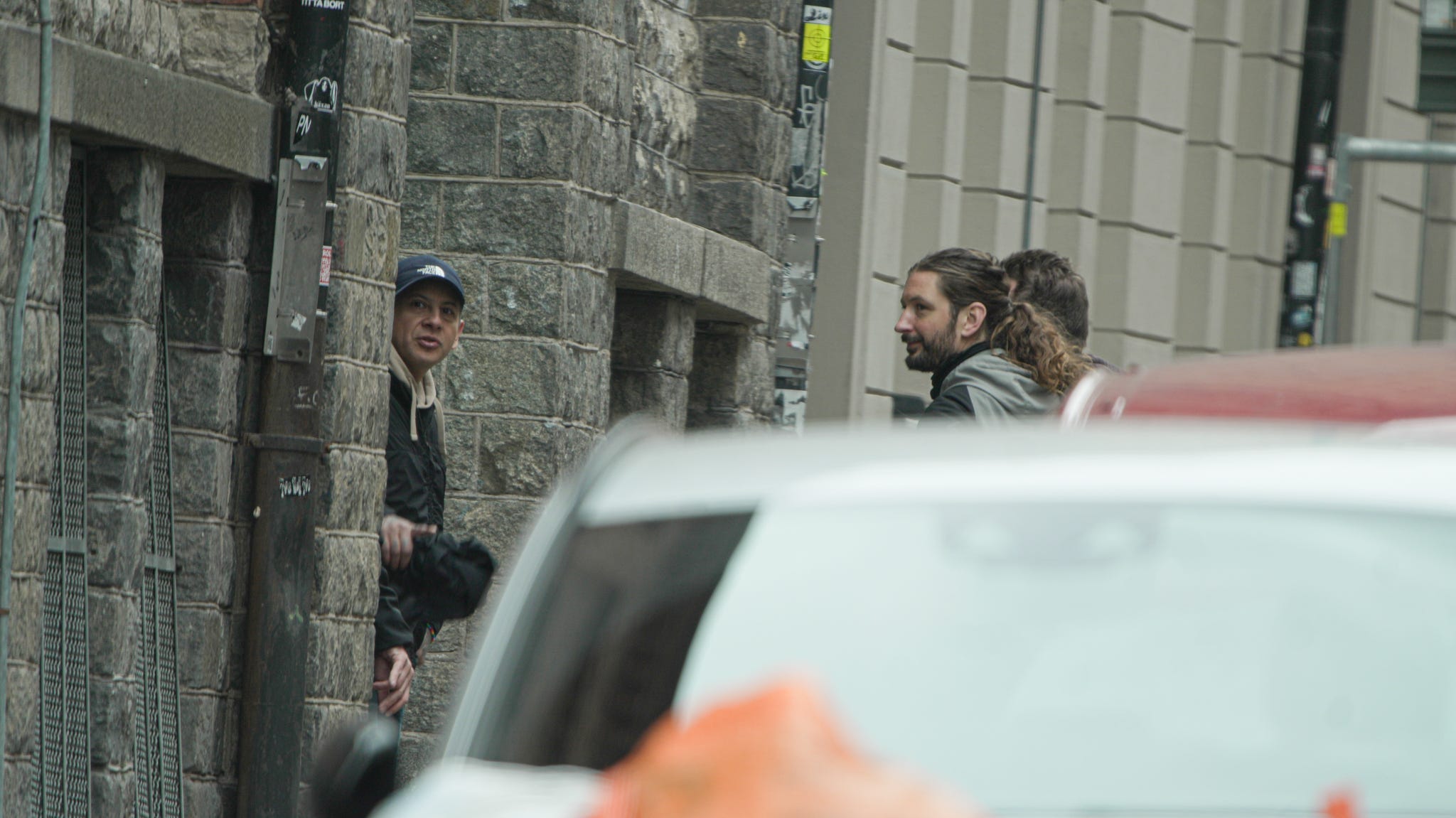
The broader implication is that Swedish public institutions are providing segments of the violent far-left milieu with funding, institutional legitimacy, and physical infrastructure. In turn, this enables them not only to target political opponents within Scandinavia but also to participate in and contribute to broader transnational activist networks.
Ties with mainstream media outlets
On top of the Swedish government’s unwillingness to act against Antifa—and particularly the active support provided by leftist politicians—these issues receive little to no sustained attention in the mainstream media.
During this year’s May Day demonstrations in Stockholm, thousands of far-left activists, including hundreds of masked participants, marched through the streets chanting slogans advocating violent revolution, expressing hostility toward the police, and threatening political opponents—including myself. Yet most mainstream media coverage focused instead on a handful of neo-Nazis. This disparity reflects the fact that many journalists either do not regard the violent far left as a serious threat or are sympathetic to its cause.
Mathias Wåg: From Antifa to mainstream media
One illustrative example is Aftonbladet, Sweden’s largest tabloid newspaper, which employed Mathias Wåg (born 1971), a co-founder of the Swedish Antifa cell, in the late 1990s. Despite his central role in establishing one of Sweden’s most influential far-left militant organizations, Wåg has built a long career in mainstream journalism while keeping his role within the far left.
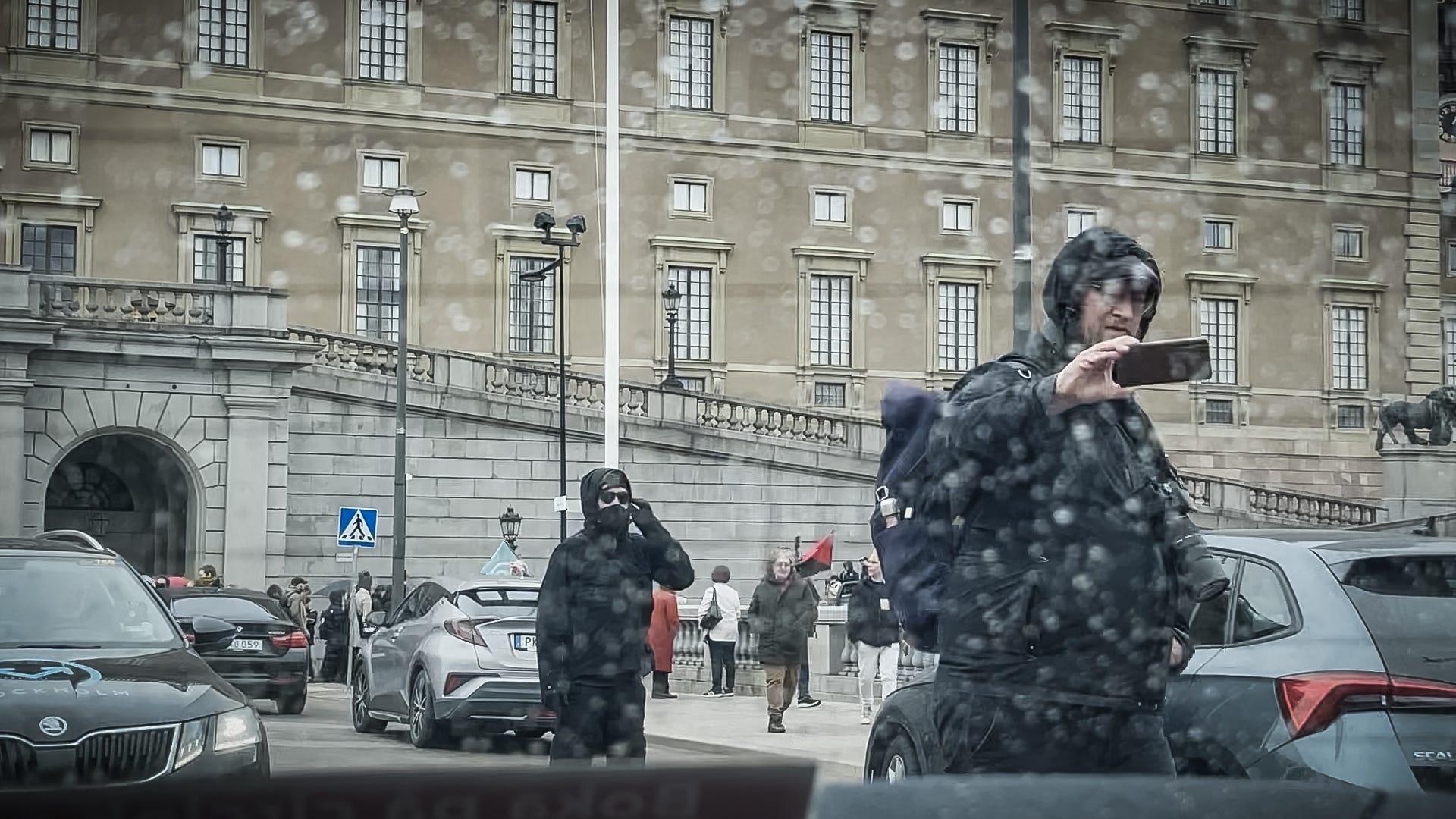
Wåg has repeatedly defended his involvement in the 2001 Gothenburg riots, which took place during the European Union summit in Gothenburg. Before the riots, U.S. intelligence reportedly warned Swedish authorities that Antifa militants were planning to attack then–U.S. President George W. Bush. When large-scale clashes erupted between Black Bloc militants and the police, parts of central Gothenburg were transformed into a virtual war zone. The violence escalated to the point that police opened fire, seriously wounding one of the attackers.
Today, Wåg serves as editor of the far-left magazine Brand. In the early 2000s, the magazine published detailed instructions on how to make petrol bombs, assault police officers, and poison police dogs. Wåg himself also praised arson attacks against his political opponents. As early as that period, the Swedish Security Service’s Constitutional Protection Unit identified the magazine as Antifa’s principal propaganda outlet. One of the magazine’s contributors is Henry Cohen. He shares a post box with Mathias Wåg and wrote columns for the magazine from his prison cell. Cohen is Sweden’s closest equivalent to Jeffrey Dahmer: he was sentenced to 14 years in prison after stabbing two elderly men during a homosexuall gangbang, killing one of them.

In recent years, Wåg has published several articles excusing violence and murder of perceived “fascists”, as well as acts of vandalism and sabotage targeting critical infrastructure. In a special issue published in support of Antifa, Wåg and co-editor Helena Hägglund (born 1983) explicitly encouraged readers to, in their own words, “join Antifa.”
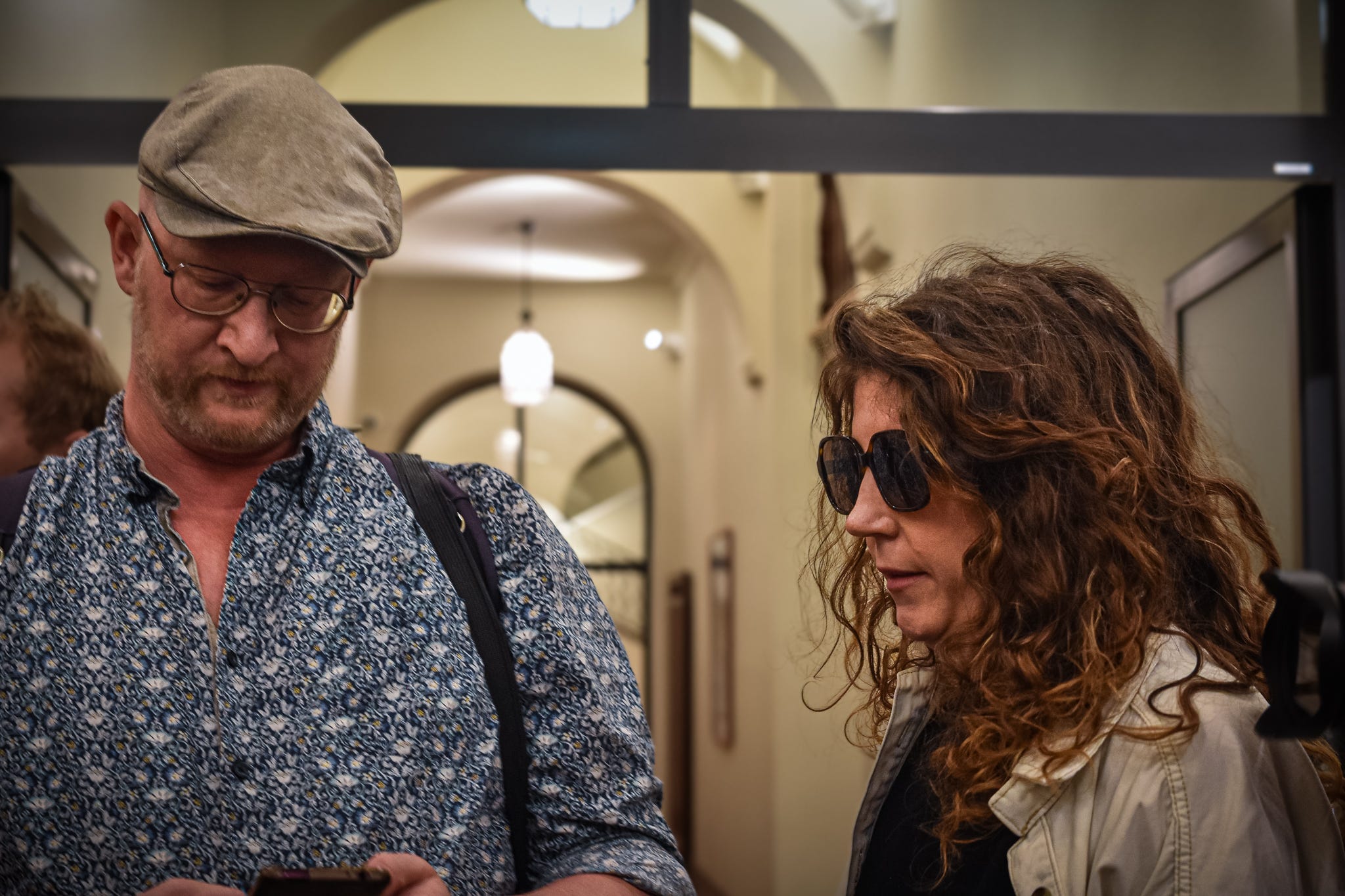
Hägglund has also written columns at in mainstream media. On her Bluesky account, she has expressed support for harassment campaigns targeting ICE agents, shared posts praising the “intifada” (waves of Palestinian terrorist attacks in Israel), and participated in the Hamas-supportning Ship to Gaza campaign. Despite her incitements, she currently resides in the United States with her husband, Adam Almqvist. Both are enrolled at the University of Chicago.
It was only after I published my extensive investigation into Wåg’s extremist activities that the Sweden Democrats raised in the Swedish Parliament the fact that he had received more than €100,000 in public funding for his magazine. This led to an oversight that ultimately resulted in him losing his government funding.
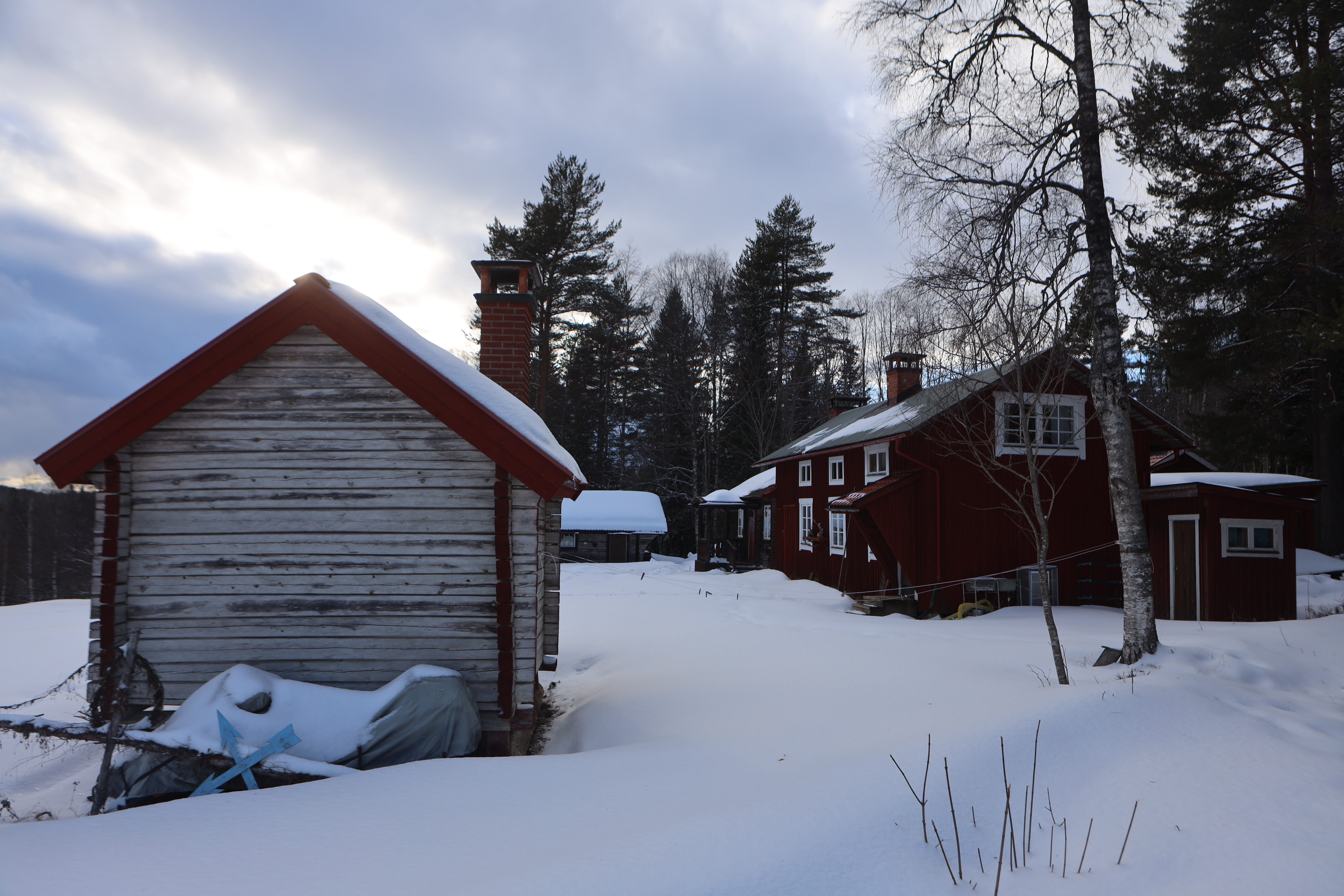
Mathias Wåg currently lives in Plintsberg Lisslinda, a in his familys private housing complex rural community in Leksand Municipality, Dalarna. Statistics from the Swedish Migration Agency indicate that the area has almost no residents with a foreign background.
The American Leverage point
The American financial system occupies a unique position in the global economy, giving Washington significant leverage over transnational Antifa networks. Because virtually all major Western banks process U.S. dollar transactions, they must comply with sanctions enforced by the U.S. Treasury’s Office of Foreign Assets Control (OFAC). As a result, traditional banks and modern financial technology platforms ultimately operate within a regulatory framework shaped by the United States.
Following the September 11 attacks, the United States established Executive Order 13224 (E.O. 13224), creating a sanctions regime targeting foreign nationals and organizations involved in terrorism or providing material support to extremist activities. Although originally designed to combat Islamist terrorism, the framework is ideologically neutral, targeting conduct rather than political beliefs. A recent example is the U.S. sanctions imposed on UN Special Rapporteur and known antisemite Francesca Albanese.
Applying these authorities to transnational far-left groups would extend far beyond freezing assets. Designation as Specially Designated Global Terrorists (SDGTs) would fundamentally disrupt the financial and organizational infrastructure on which these networks depend. Potential consequences include:
Loss of access to bank accounts, payment processors, and crowdfunding platforms.
Severe difficulty finding and keeping employment due to stigmatization and the inability to receive salary payments through a bank account.
Suspension or termination of accounts on virtually all social media platforms.
Significantly greater difficulty travelling due to increased monitoring by intelligence agencies, as well as the inability to pay for or board flights with most Western airlines.
Closure of websites through actions by domain registrars, web hosting companies, and cloud service providers.
Alienation through potential criminal and civil liability for organizations or individuals that provide financial or material support to designated entities.
Focus on personal accountability
Antifa is, as noted, not a traditional hierarchical organization but a decentralized transnational movement composed of autonomous cells. Its activists organize according to the black bloc model, emphasizing anonymity, leaderless coordination, and collective action.
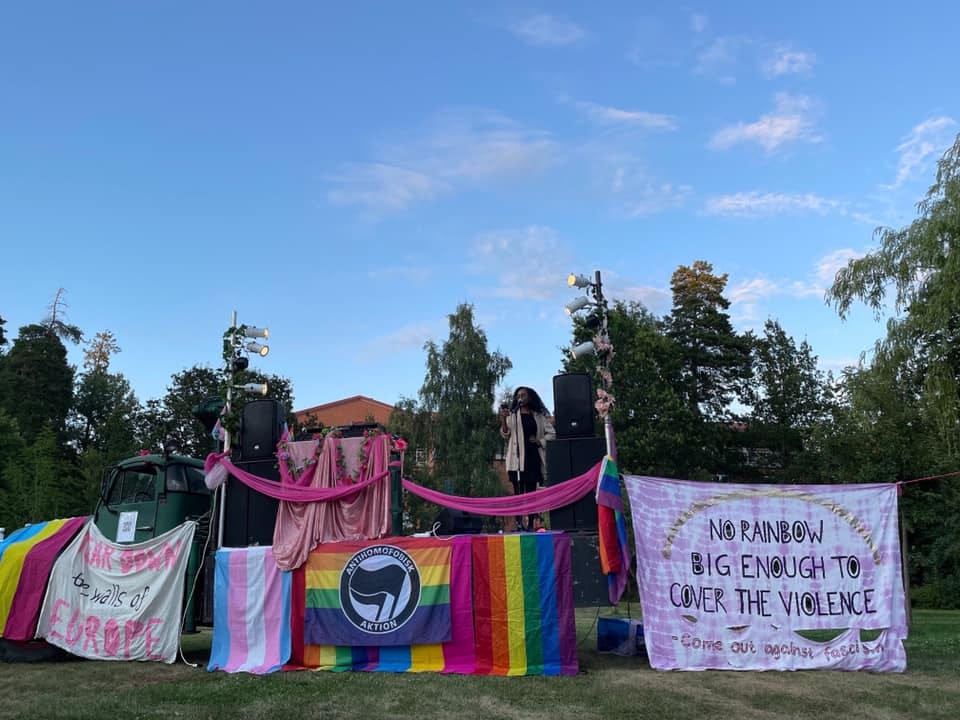
Rather than operating through a single permanent organization, Antifa activists typically mobilize under a range of interchangeable organizational identities depending on the issue at hand. In Sweden, for example, the same activist may participate in Antifa when confronting political opponents, the Anarchist Black Cross when supporting imprisoned militants, the syndicalist movement in labor disputes, Planka.nu in campaigns against public transport fares, Queers Against Fascism in LGBTQ-related activism, and the campaign network Allt åt Alla (“Everything for Everyone”) in broader political mobilization. While organizational names and campaigns change, the underlying activists, networks, and ideological commitments often remain the same.
This fluid structure presents a fundamental challenge for sanctions regimes targeting organizations alone. Groups can be dissolved, rebranded, or replaced with relative ease, allowing activists to continue operating under new labels. Consequently, designating organizations such as Antifa Ost is unlikely to produce lasting effects.
A more effective strategy would instead target the individuals who constitute the movement’s organizational backbone. Sanctioning key activists would ensure that restrictions follow the individuals rather than the organizations through which they temporarily operate.
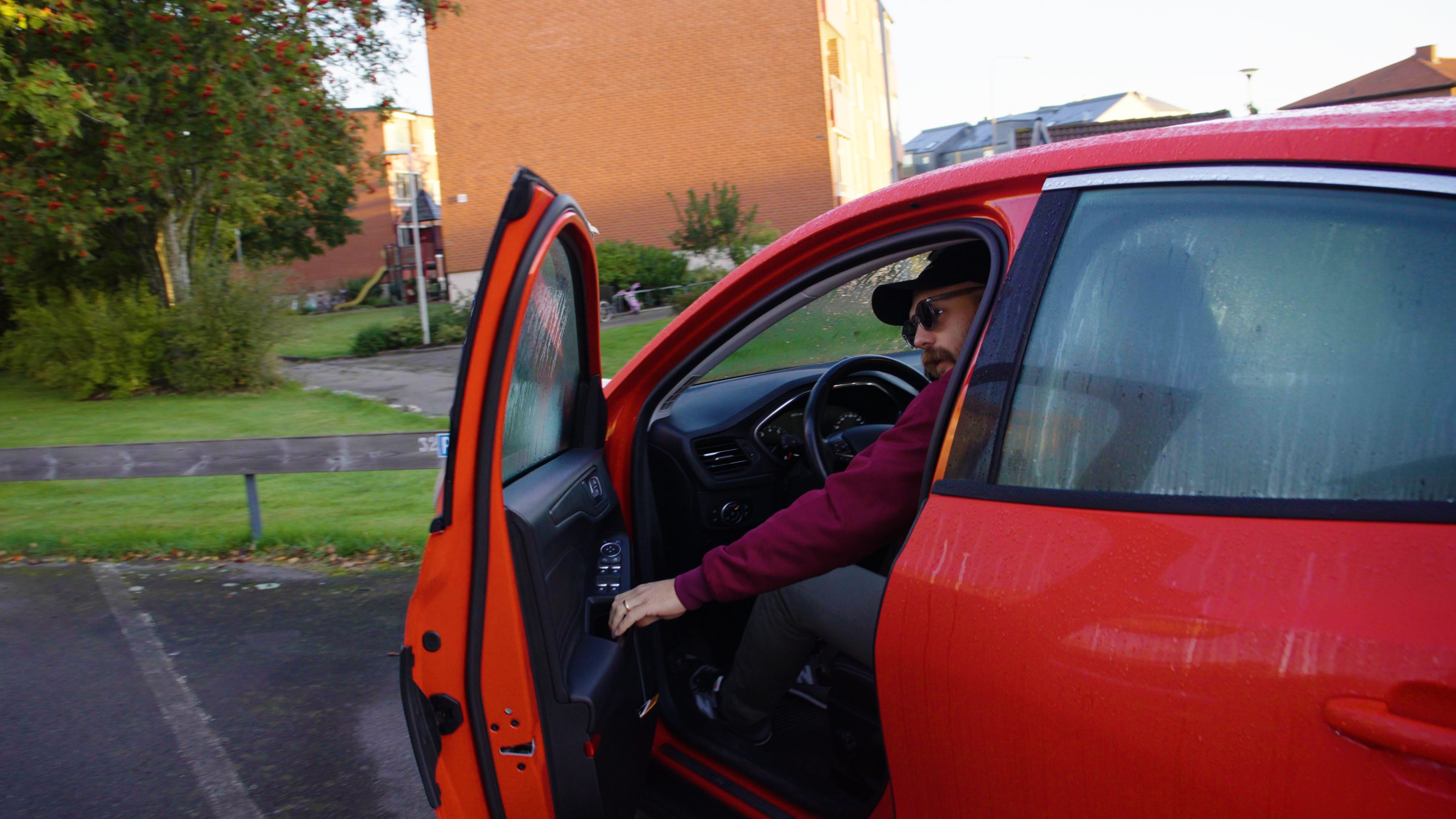
My own investigation into the founders of now terrorist-designated Rose City Antifa illustrates this problem. I identified two individuals whom award-winning American journalist James O’Keefe has identified as founders of the group, now designated as a terrorist organization. Both are living openly in the quiet coastal town of Varberg, Sweden. One even works as a youth football coach.
Because the designation applies to the organization rather than to its founders as individuals, they have been able to continue their personal and professional lives as though nothing had happened.
An end to the doxxing sites
Doxxing is the act of publicly revealing or distributing someone’s personal information without their consent, typically with the intention of exposing them to harassment, threats, intimidation, or other forms of harm.
The term originates from the word “documents” (or “docs”) and originally referred to the practice of releasing personal documents or information about an individual online.
Sweden serves as an important hub for the far-left’s digital infrastructure. From Malmö, a significant portion of Antifa’s propaganda and doxxing infrastructure is facilitated through the Finland-registered company AB Stract, which operates the domain anonymization service Njalla.
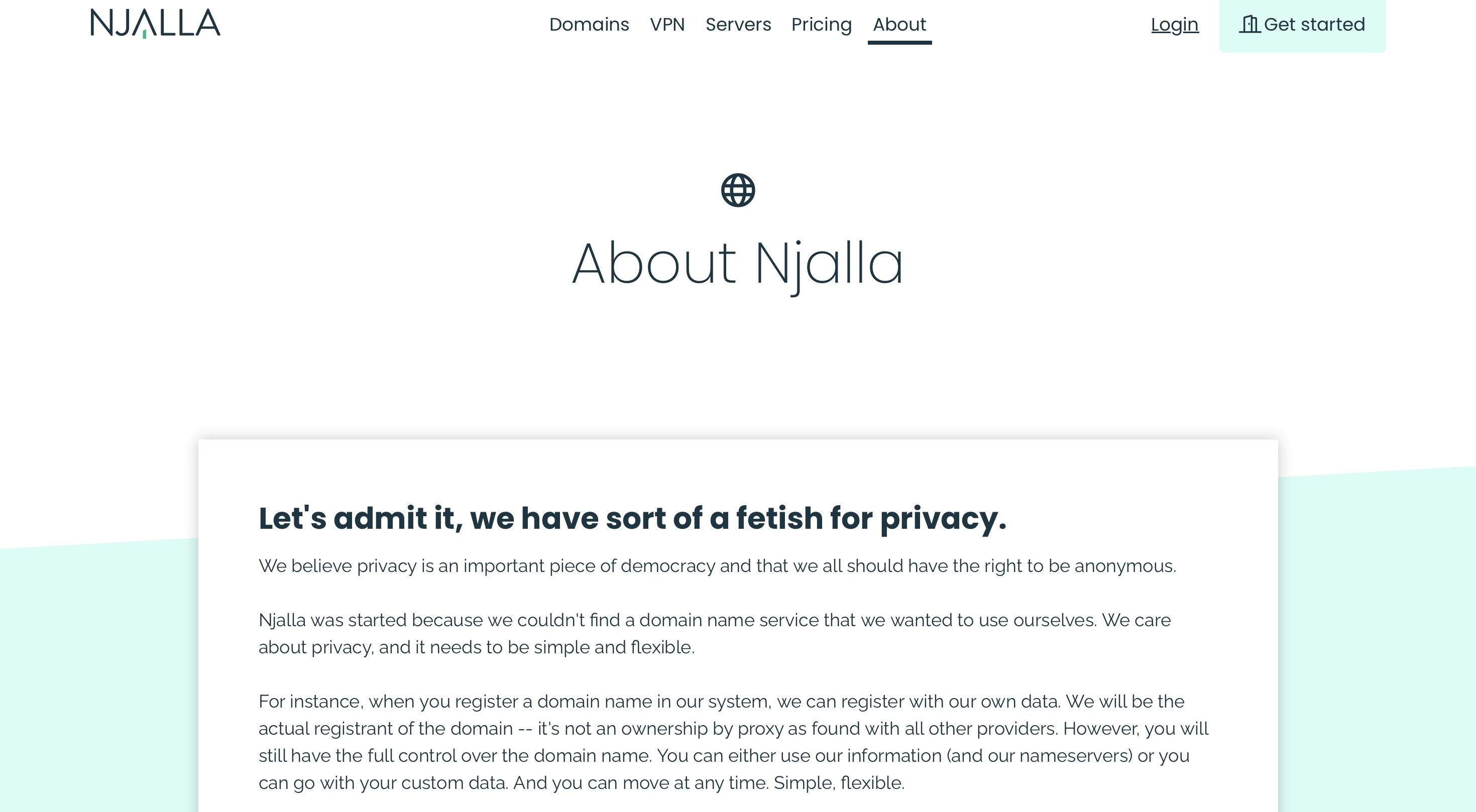
The name Njalla derives from the Sámi word for a raised storage hut—a structure designed to protect its contents by placing them out of reach. The service performs a similar function online. Rather than registering websites in the names of their actual operators, Njalla registers them in its own name, shielding the true owners from public view and making it substantially more difficult for third parties to identify those responsible.
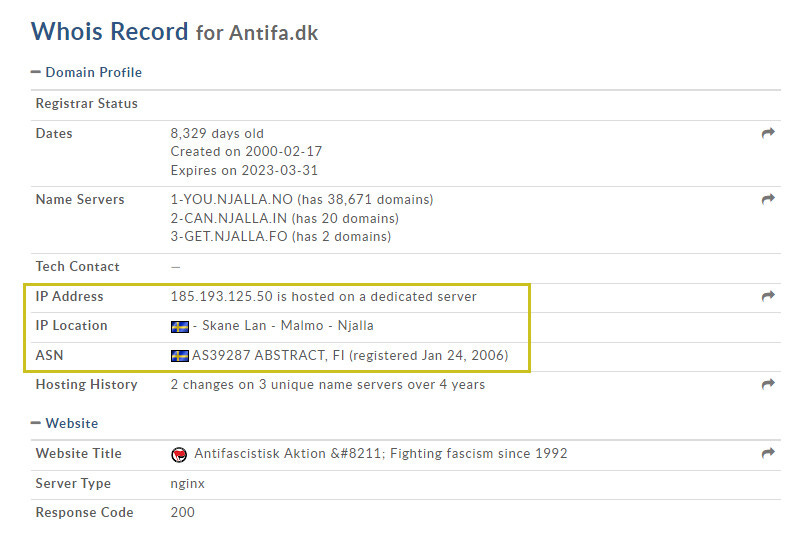
This anonymity has become a key enabler of far-left operations. Antifa groups in Sweden, Switzerland, Germany, and Denmark have used Njalla to operate doxxing websites despite repeated cases of defamation, harassment, incitement, and violations of the European Union’s General Data Protection Regulation (GDPR). The Anarchist Black Cross has likewise operated fundraising websites registered through Njalla, illustrating how a relatively small internet service provider can sustain a transnational extremist network.
My review of police reports concerning the Swedish doxxing website antifa.se illustrates the effectiveness of this evasion tactic. Swedish police have repeatedly declined to pursue investigations, citing the difficulty of identifying those responsible.

Ownership Without Accountability
The central figure behind this infrastructure is Peter Sunde Kolmisoppi (born 1978), best known as one of the founders of the illegal file-sharing platform The Pirate Bay. Since 2010, he has owed copyright holders $11,430,000 in court-awarded damages—a liability that would ordinarily make it difficult to retain assets or conduct business in his own name.
My investigation found that Sunde had largely circumvented these liabilities. By registering a false address in Berlin, he effectively placed himself outside the reach of Swedish authorities. At the same time, formal ownership of his companies and residence was transferred to his business partner, Marcus Sundqvist (born 1986), allowing Sunde to retain de facto control while shielding his assets from enforcement.
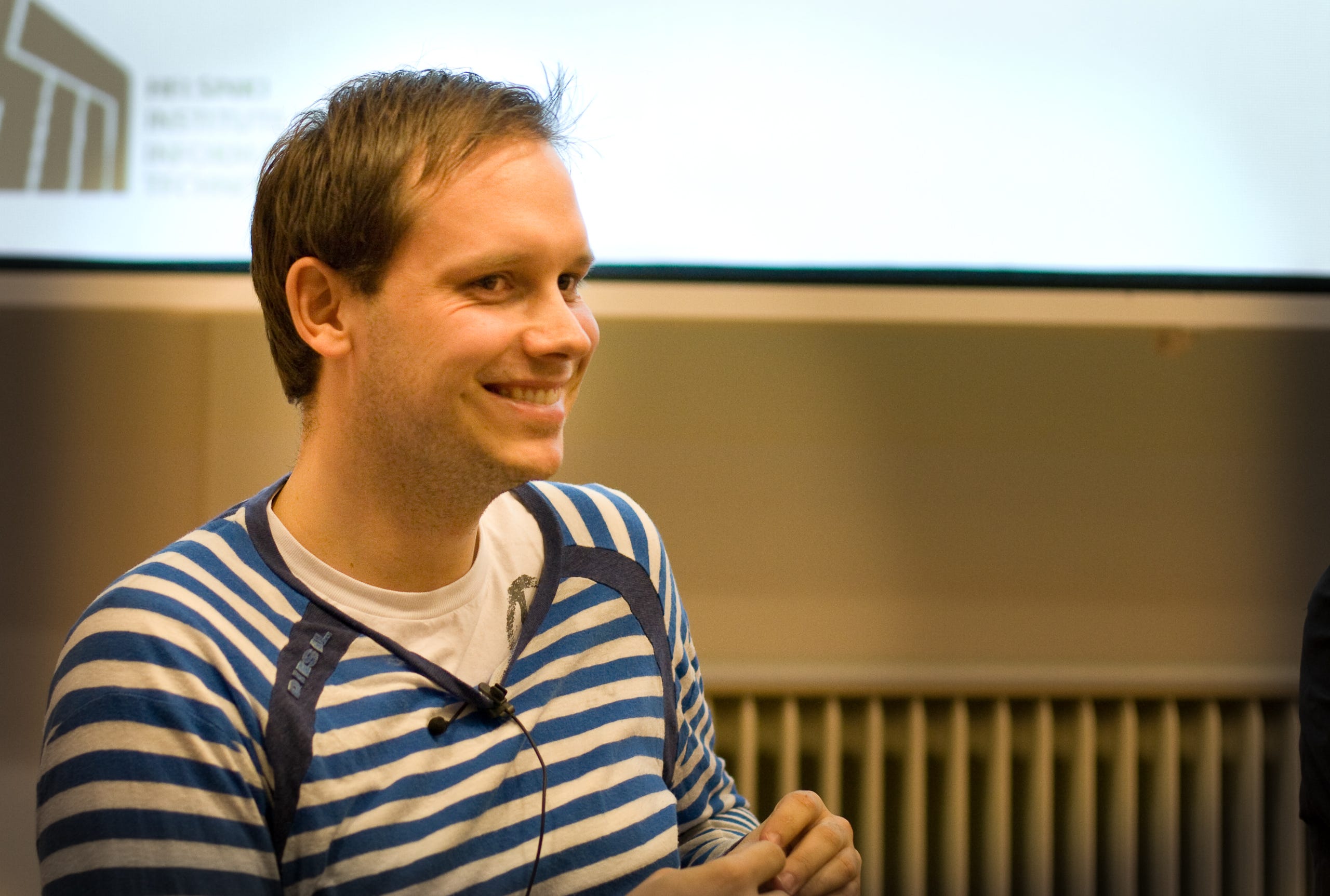
Despite this arrangement, Sunde continued to appear in numerous Swedish government registers. Because public authorities are generally prevented from sharing information across agencies, no single authority possessed the complete picture. By combining records from multiple sources—including his children’s daycare, the Swedish Transport Agency, and other public records—I demonstrated that Sunde was in fact still residing in Sweden. After I submitted the evidence to the police, a raid was carried out at his residence, during which his luxury vehicle was seized. His companies and residence, however, could not be seized because they were formally owned by other individuals.


The practical effect of sanctions
If Peter Sunde were designated under the U.S. Specially Designated Global Terrorist (SDGT) sanctions program, together with his frontmen—including his business partner and family members who formally control all of his assets—the consequences would extend far beyond the individuals themselves.
Njalla would face severe operational difficulties, as banks, domain registrars, hosting companies, internet providers, and payment processors would incur significant sanctions risks if they continued providing services. Its internet and server provider, 31173 Services AB (556779-4697), who’s director Erik Ekström currently defends its decision to provide services to Antifa-linked infrastructure, would likely be forced to terminate the relationship. It would also become substantially more difficult for Sunde to continue operating through nominee owners, as anyone knowingly assisting him would risk becoming subject to sanctions.
The practical result would be a significant disruption of Antifa’s online infrastructure. Many of the movement’s propaganda, fundraising, and doxxing websites would lose the anonymity that enables them to operate while avoiding legal accountability.
America as a guardian of freedom
The United States was founded by European settlers who sought refuge from religious persecution and oppressive governments. The adoption of the Declaration of Independence in 1776 marked a decisive break with British rule and laid the foundation for a nation built on the principles of individual liberty, limited government, and natural rights. One of the Founding Fathers, Thomas Jefferson, famously stated, “Reason and free inquiry are the only effectual agents against error.” This sentiment reflects a core principle of the American founding: that freedom of expression is indispensable to the preservation of a free society.
Over time, the United States emerged as a global superpower. During the twentieth century, it also assumed a leading role in defending freedom beyond its own borders. American military, economic, and political support was instrumental in containing communist expansion. Many argue that without American leadership, the political future of much of Europe could have been profoundly different.
Today, freedom of expression across much of the Western world is facing increasing challenges. Patriots working against a hostile population replacement and the left’s lunatic gender ideology are subjected to violence by Antifa terrorists. Stating facts about the consequences of mass migration is not only regarded as a serious crime in Sweden that can land you in prison, but can also leave you vulnerable to violent attacks by far-left extremists.
For that reason, I hope the United States will continue its historic role as a defender of liberty by supporting those who advocate for fundamental freedoms abroad. Targeted sanctions against individuals who organize or participate in attempts to silence conservatives would serve as an important tool for promoting accountability and reinforcing the fundamental principle of freedom of expression, a God-given right for all.
Christian Peterson is a 24-year-old investigative journalist who has covered the far left for years. Today, he works for Riks.se, Sweden’s largest conservative news outlet.
Peterson’s reporting was referenced by the White House after he uncovered that the founders of the Portland-based Rose City Antifa were hiding in Varberg, Sweden. More recently, American journalist James O’Keefe visited Peterson in Stockholm to interview him about his investigations into Antifa and other transnational far-left extremist networks.
He has paid a high personal price for his work. Swedish authorities granted him a secret address following multiple assaults, threats, and acts of severe vandalism directed at his family home, including an incident in which a smoke grenade was thrown into his sister’s bedroom, an act of attempted arson.